Connect With Us



Ankle sprains are acute injuries that commonly affect athletes, especially in sports such as basketball, football, and soccer. They often occur when the foot twists or rolls unexpectedly, placing stress on the ligaments on the outer side of the ankle. This can happen during jumping, cutting, or sudden changes in direction. Symptoms include pain, swelling, bruising, and difficulty bearing weight. Risk factors include previous ankle injuries, poor conditioning, inadequate footwear, and uneven playing surfaces. Without proper care, sprains may lead to instability or repeated injury. A podiatrist can help by evaluating the severity of the sprain, providing treatment to reduce inflammation, and guiding rehabilitation. If you have instability from a sprained ankle, it is suggested that you consult a podiatrist who can offer effective relief and treatment solutions.
Ankle sprains are common but need immediate attention. If you need your feet checked, contact one of our podiatrists from Sutera and Jones Surgical Podiatry. Our doctors can provide the care you need to keep you pain-free and on your feet.
How Does an Ankle Sprain Occur?
Ankle sprains take place when the ligaments in your ankle are torn or stretched beyond their limits. There are multiple ways that the ankle can become injured, including twisting or rolling over onto your ankle, putting undue stress on it, or causing trauma to the ankle itself.
What Are the Symptoms?
Preventing a Sprain
Treatment of a Sprain
Treatment of a sprain depends on the severity. Many times, people are told to rest and remain off their feet completely, while others are given an air cast. If the sprain is very severe, surgery may be required.
If you have suffered an ankle sprain previously, you may want to consider additional support such as a brace and regular exercises to strengthen the ankle.
If you have any questions please feel free to contact one of our offices located in Media, Glen Mills, Riddle Memorial Hospital, and Concordville, PA . We offer the newest diagnostic tools and technology to treat your foot and ankle needs.
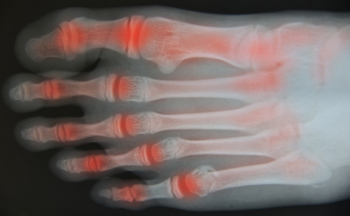
Early onset rheumatoid arthritis is an inflammatory condition that can affect the joints sooner than expected, sometimes beginning in young adulthood or even earlier. It occurs when the immune system mistakenly targets joint tissue, leading to pain, swelling, stiffness, and warmth. The feet and ankles are often among the first areas involved, which can make walking uncomfortable and limit daily activity. Symptoms may come and go at first, but without care, joint changes can become more persistent over time. Early evaluation is important to identify the condition and begin treatment that helps control inflammation and protect joint function. Management may include medication, wearing supportive footwear, and strategies to reduce stress on affected joints. Paying attention to subtle changes, such as morning stiffness or swelling, can make a meaningful difference. If joint pain or stiffness is ongoing for you or your child, it is suggested that you consult a podiatrist for a proper diagnosis and appropriate treatment.
Because RA affects more than just your joints, including the joints in your feet and ankles, it is important to seek early diagnosis from your podiatrist if you feel like the pain in your feet might be caused by RA. For more information, contact one of our podiatrists of Sutera and Jones Surgical Podiatry. Our doctors will assist you with all of your podiatric concerns.
What Is Rheumatoid Arthritis?
Rheumatoid Arthritis (RA) is an autoimmune disorder in which the body’s own immune system attacks the membranes surrounding the joints. Inflammation of the lining and eventually the destruction of the joint’s cartilage and bone occur, causing severe pain and immobility.
Rheumatoid Arthritis of the Feet
Although RA usually attacks multiple bones and joints throughout the entire body, almost 90 percent of cases result in pain in the foot or ankle area.
Symptoms
Diagnosis
Quick diagnosis of RA in the feet is important so that the podiatrist can treat the area effectively. Your doctor will ask you about your medical history, occupation, and lifestyle to determine the origin of the condition. Rheumatoid Factor tests help to determine if someone is affected by the disease.
If you have any questions, please feel free to contact one of our offices located in Media, Glen Mills, Riddle Memorial Hospital, and Concordville, PA . We offer the newest diagnostic and treatment technologies for all your foot care needs.

A stiff big toe is often caused by a condition called hallux limitus or hallux rigidus, which means the joint at the base of the big toe has limited or very little movement. This problem usually develops over time, beginning with discomfort when walking or bending the toe and gradually progressing to more constant pain and stiffness. The joint may look swollen or enlarged, and some patients notice a firm bump on the top of the toe. Activities that require push off, such as walking uphill or running, can become difficult and uncomfortable. Common causes include arthritis, repetitive stress, prior injury, or foot structure that places extra pressure on the joint. A podiatrist can evaluate movement and may use imaging to understand the severity. Treatment options include supportive footwear, custom orthotics, and targeted exercises to help maintain motion. In more advanced cases, surgery may be considered. If you have a stiff big toe, it is suggested that you make an appointment with a podiatrist.
Toe pain can disrupt your daily activities. If you have any concerns, contact one of our podiatrists of Sutera and Jones Surgical Podiatry. Our doctors can provide the care you need to keep you pain-free and on your feet.
What Causes Toe Pain?
Most severe toe pain is caused due to a sports injury, trauma from dropping something heavy on the toe, or bumping into something rigid. Other problems can develop over time for various reasons.
Toe pain can be caused by one or more ailments. The most common include:
When to See a Podiatrist
Diagnosis
In many cases the cause of toe pain is obvious, but in others, a podiatrist may want to use more advanced methods to determine the problem. These can range from simple visual inspections and sensation tests to X-rays and MRI scans. Prior medical history, family medical history, and any recent physical traumatic events will all be taken into consideration for a proper diagnosis.
Treatment
Treatments for toe pain and injuries vary and may include shoe inserts, padding, taping, medicines, injections, and in some cases, surgery. If you believe that you have broken a toe, please see a podiatrist as soon as possible.
If you have any questions please contact one of our offices located in Media, Glen Mills, Riddle Memorial Hospital, and Concordville, PA . We offer the newest diagnostic and treatment technologies for all your foot and ankle needs.

If left untreated, an ingrown toenail can lead to more serious concerns, such as an infection. Knowing proper nail care can help in the prevention of an ingrown toenail. Give us a call, and get treated!
Connect With Us
