Connect With Us


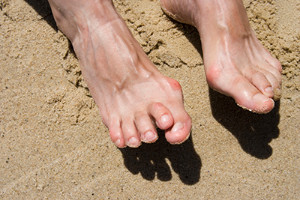 Usually, toes point forward. When one of your toes (usually the 2nd or 3rd toe) bends downward, hammertoe is present. There are many reasons you may develop a hammertoe, such as having bunions, certain injuries, high arches, or you may have a genetic proclivity that makes you more likely to develop them. However, the most common reason hammertoe develops is from wearing shoes that are too tight and pointy, which cause your toes to squeeze together if you wear them for a prolonged period of time. You can help avoid developing a hammertoe by choosing shoes that fit properly, have a wider toe box, soft uppers, and plenty of arch support. Contact a podiatrist who can treat your hammertoe and may suggest certain footwear that will help prevent hammertoes from occurring.
Hammertoe
Hammertoes can be a painful condition to live with. For more information, contact one of our podiatrists from Sutera and Jones Surgical Podiatry. Our doctors will answer any of your foot- and ankle-related questions.
Hammertoe is a foot deformity that affects the joints of the second, third, fourth, or fifth toes of your feet. It is a painful foot condition in which these toes curl and arch up, which can often lead to pain when wearing footwear.
Symptoms
Causes
Genetics – People who are genetically predisposed to hammertoe are often more susceptible
Arthritis – Because arthritis affects the joints in your toes, further deformities stemming from arthritis can occur
Trauma – Direct trauma to the toes could potentially lead to hammertoe
Ill-fitting shoes – Undue pressure on the front of the toes from ill-fitting shoes can potentially lead to the development of hammertoe
Treatment
Orthotics – Custom made inserts can be used to help relieve pressure placed on the toes and therefore relieve some of the pain associated with it
Medications – Oral medications such as anti-inflammatories or NSAIDs could be used to treat the pain and inflammation hammertoes causes. Injections of corticosteroids are also sometimes used
Surgery – In more severe cases where the hammertoes have become more rigid, foot surgery is a potential option
If you have any questions, please feel free to contact one of our offices located in Media, Glen Mills, Riddle Memorial Hospital, and Concordville, PA . We offer the newest diagnostic and treatment technologies for all your foot care needs.

Athlete’s foot, also known as tinea pedis, is a fungal infection that thrives in warm and moist environments. The condition develops when dermatophyte fungi grow on the skin of the feet, especially between the toes. These fungi feed on keratin, the protein in skin, hair, and nails, and spread quickly in damp settings like locker rooms, public showers, and around swimming pools. The infection often begins with itching, redness, and peeling between the toes. If left untreated, it can spread to the soles, toenails, or even the hands. Wearing tight shoes, sweating heavily, or keeping feet damp for long periods of time increases the risk. Sharing shoes, socks, or towels with others can also pass the fungus along. Because athlete’s foot rarely clears without care, early attention makes a difference. If you notice persistent itching, burning, or scaling on your feet, it is suggested that you see a podiatrist for a diagnosis and appropriate treatment.
Athlete’s foot is an inconvenient condition that can be easily reduced with the proper treatment. If you have any concerns about your feet and ankles, contact one of our podiatrists from Sutera and Jones Surgical Podiatry. Our doctors will treat your foot and ankle needs.
Athlete’s Foot: The Sole Story
Athlete's foot, also known as tinea pedis, can be an extremely contagious foot infection. It is commonly contracted in public changing areas and bathrooms, dormitory style living quarters, around locker rooms and public swimming pools, or anywhere your feet often come into contact with other people.
Solutions to Combat Athlete’s Foot
Athlete’s foot can cause many irritating symptoms such as dry and flaking skin, itching, and redness. Some more severe symptoms can include bleeding and cracked skin, intense itching and burning, and even pain when walking. In the worst cases, Athlete’s foot can cause blistering as well. Speak to your podiatrist for a better understanding of the different causes of Athlete’s foot, as well as help in determining which treatment options are best for you.
If you have any questions please feel free to contact one of our offices located in Media, Glen Mills, Riddle Memorial Hospital, and Concordville, PA . We offer the newest diagnostic and treatment technologies for all your foot and ankle needs.

As people age, foot problems can greatly increase the risk of falling. Weakness, frailty, and exhaustion may affect mobility, while gait alterations and balance difficulties make walking less stable. Common conditions, such as bunions or the loss of natural fat pads on the feet, can cause pain, pressure, and instability. These issues may lead to reduced confidence and a higher chance of falls, which can result in serious injury. A podiatrist can evaluate foot health, provide treatment for pain, recommend supportive footwear, and design strategies to improve balance and safety. If you or a loved one have foot or ankle pain from falling, it is suggested that you consult a podiatrist who can offer effective relief and treatment tips for various foot conditions.
Proper foot care is something many older adults forget to consider. If you have any concerns about your feet and ankles, contact one of our podiatrists from Sutera and Jones Surgical Podiatry. Our doctors can provide the care you need to keep you pain-free and on your feet.
The Elderly and Their Feet
As we age we start to notice many changes in our body, but the elder population may not notice them right away. Medical conditions may prevent the elderly to take notice of their foot health right away. Poor vision is a lead contributor to not taking action for the elderly.
Common Conditions
Susceptible Infections
Diabetes and poor circulation can cause general loss of sensitivity over the years, turning a simple cut into a serious issue.
If you have any questions, please feel free to contact one of our offices located in Media, Glen Mills, Riddle Memorial Hospital, and Concordville, PA . We offer the newest diagnostic and treatment technologies for all your foot care needs.

Diabetes can lead to serious foot problems due to nerve damage, known as neuropathy, and poor circulation. These issues reduce sensation in the feet and slow down the body’s ability to heal, making it easier for cuts, blisters, or sores to go unnoticed and worsen over time. Common symptoms include numbness, tingling, and wounds that are slow to heal. Feet may also appear discolored or swollen, and can develop ulcers that may be painless but carry a high risk of infection. A podiatrist can diagnose diabetic foot conditions by performing a comprehensive foot exam and checking nerve function and blood flow. Treatment may involve wound care, custom orthotics, foot hygiene education, and monitoring to prevent complications. Regular visits to a podiatrist play a critical role in maintaining foot health and preventing serious outcomes. If you have diabetes, it is suggested that you schedule an appointment with a podiatrist for a full evaluation and personalized care plan for this serious condition.
Diabetic foot care is important in preventing foot ailments such as ulcers. If you are suffering from diabetes or have any other concerns about your feet, contact one of our podiatrists from Sutera and Jones Surgical Podiatry. Our doctors can provide the care you need to keep you pain-free and on your feet.
Diabetic Foot Care
Diabetes affects millions of people every year. The condition can damage blood vessels in many parts of the body, especially the feet. Because of this, taking care of your feet is essential if you have diabetes, and having a podiatrist help monitor your foot health is highly recommended.
The Importance of Caring for Your Feet
Patients with diabetes should have their doctor monitor their blood levels, as blood sugar levels play such a huge role in diabetic care. Monitoring these levels on a regular basis is highly advised.
It is always best to inform your healthcare professional of any concerns you may have regarding your feet, especially for diabetic patients. Early treatment and routine foot examinations are keys to maintaining proper health, especially because severe complications can arise if proper treatment is not applied.
If you have any questions, please feel free to contact one of our offices located in Media, Glen Mills, Riddle Memorial Hospital, and Concordville, PA . We offer the newest diagnostic and treatment technologies for all your foot care needs.

Custom orthotics, or shoe inserts, should be periodically replaced. Orthotics must fit properly to give you the best results. Protect your feet and ankles!
Connect With Us
