Connect With Us


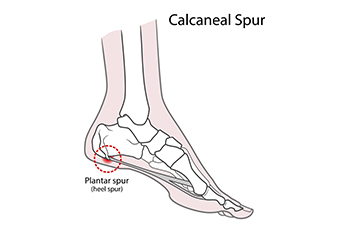
Heel spurs are bony growths that form on the underside of the heel bone, often developing gradually due to repeated stress on the foot. They are commonly caused by plantar fasciitis, high impact activities, wearing poor footwear, or excess weight that places pressure on the heel. Symptoms may include sharp or aching pain in the heel, especially with the first steps in the morning or after periods of rest. The heel may look normal from the outside, although tenderness or swelling can be present, and the pain can feel like a stabbing or deep ache when standing or walking. A podiatrist can help by starting with a careful examination and imaging when needed, to confirm the presence of a heel spur and identify contributing factors. Treatment often begins with shoe modifications, custom orthotics, targeted exercises to reduce stress, and anti-inflammatory care. If you have heel spurs, it is suggested that you schedule an appointment with a podiatrist for effective relief and management tips.
Heel spurs can be incredibly painful and sometimes may make you unable to participate in physical activities. To get medical care for your heel spurs, contact one of our podiatrists from Sutera and Jones Surgical Podiatry. Our doctors will do everything possible to treat your condition.
Heels Spurs
Heel spurs are formed by calcium deposits on the back of the foot where the heel is. This can also be caused by small fragments of bone breaking off one section of the foot, attaching onto the back of the foot. Heel spurs can also be bone growth on the back of the foot and may grow in the direction of the arch of the foot.
Older individuals usually suffer from heel spurs and pain sometimes intensifies with age. One of the main condition's spurs are related to is plantar fasciitis.
Pain
The pain associated with spurs is often because of weight placed on the feet. When someone is walking, their entire weight is concentrated on the feet. Bone spurs then have the tendency to affect other bones and tissues around the foot. As the pain continues, the feet will become tender and sensitive over time.
Treatments
There are many ways to treat heel spurs. If one is suffering from heel spurs in conjunction with pain, there are several methods for healing. Medication, surgery, and herbal care are some options.
If you have any questions, please feel free to contact one of our offices located in Media, Glen Mills, Riddle Memorial Hospital, and Concordville, PA . We offer the newest diagnostic and treatment technologies for all your foot care needs.
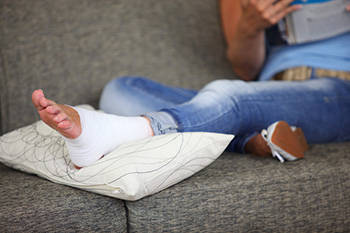
Chronic ankle instability often develops after repeated ankle sprains that never fully recover. People may notice frequent rolling of the ankle, weakness, swelling, or a feeling that the joint cannot be trusted. To better understand risk and recovery, podiatrists look at both movement and daily function. Simple balance testing can show how well the ankle controls motion during standing and reaching tasks, which reflects real world stability. Self-reported questionnaires help capture how the ankle feels during normal activities such as walking, standing, or climbing stairs. When poor balance is paired with difficulty performing everyday tasks, the likelihood of long-term instability increases. Using both physical testing and patient feedback provides a clearer picture than either approach alone. This combined information helps guide treatment and reduce repeat injury. If ankle weakness or repeated sprains continue, it is suggested that you see a podiatrist for a proper evaluation and appropriate treatment.
Although ankle sprains are common, they aren’t always minor injuries. If you need your ankle injury looked at, contact one of our podiatrists from Sutera and Jones Surgical Podiatry. Our doctors can provide the care you need to keep you pain-free and on your feet.
How Does an Ankle Sprain Occur?
Ankle sprains are the result of a tear in the ligaments within the ankle. These injuries may happen when you make a rapid shifting movement while your foot is planted. A less common way to sprain your ankle is when your ankle rolls inward while your foot turns outward.
What Are the Symptoms?
Preventing a Sprain
Treatment of a Sprain
In many cases, the RICE method (Rest, Ice, Compression, and Elevate) is used to treat ankle sprains. However, you should see a podiatrist to see which treatment option would work best with your injury. In severe cases, surgery may be required.
It is important to ask your doctor about rehab options after you receive treatment for your injury. Stretching, strength training, and balance exercises may help the ankle heal while also preventing further injury.
If you have any questions, please feel free to contact one of our offices located in Media, Glen Mills, Riddle Memorial Hospital, and Concordville, PA . We offer the newest diagnostic and treatment technologies for all your foot care needs.

Comfortable shoes are essential for doctors who spend long hours standing, walking, and caring for patients. The right footwear helps reduce fatigue and protects the feet from stress caused by constant movement. Quality materials and strong construction provide durability, while proper arch support and cushioning help maintain alignment and absorb impact throughout the day. Slip resistant soles add safety in fast paced clinical environments, and stable designs help prevent strain in the ankles, knees, and lower back. A podiatrist can assess your foot structure and recommend the best shoe features to keep you comfortable and protected during demanding shifts. If foot pain or fatigue is affecting your work, it is suggested that you promptly consult a podiatrist who can treat various foot conditions, and guide you on the correct shoes to wear.
While working on the feet, it is important to take the proper care of them. For more information about working on your feet, contact one of our podiatrists from Sutera and Jones Surgical Podiatry. Our doctors will treat your foot and ankle needs.
Working on Your Feet
Standing on your feet for long periods of time can cause stress and pain in your feet. Your whole body may experience change in terms of posture, back pain, bunions, callouses and or plantar warts. There are ways to avoid these conditions with proper foot care, smart choices and correct posture.
Positive Changes
Negative heeled shoe – Choosing this shoe type places the heel slightly lower than the ball of the foot. These are great for overall foot health. Find shoes that fit you correctly.
Go barefoot – Our feet were not designed to be enclosed for all hours of the day. Try to periodically expose your feet to air.
Eliminate Pain
Foot Exercises – Performing simple exercises, incorporating yoga and doing stretches are beneficial. This will allow increased blood flow to the area and muscles of the foot.
Achilles tendon – Stretching the foot out flat on the floor will relax the calf muscles and tendon. These exercises can be performed almost anywhere. Make sure you add these exercises to your daily regimen.
With a little bit of this information and knowing more about foot health, you will notice changes. Foot stretches and proper footwear will help with pain and prevent further issues.
If you have any questions please contact one of our offices located in Media, Glen Mills, Riddle Memorial Hospital, and Concordville, PA . We offer the newest diagnostic and treatment technologies for all your foot and ankle needs.

Have your child's feet been examined lately? Healthy feet are happy feet. If your child is complaining of foot pain, it may be a sign of underlying problems.

Pain along the inner side of the foot can interfere with walking and comfort. One frequent cause involves strain of the tendon that supports the arch, leading to aching near the ankle and midfoot. Inner-foot pain may also develop from joint irritation, where cartilage wear produces stiffness with movement. Nerve compression can result in burning or tingling along the inside of the foot, while bone stress injuries may cause pinpoint tenderness during activity. In other situations, inflammation of soft tissues or structural changes shift pressure toward the inner border over time. A podiatrist can assess alignment, joint motion, and tendon function, and use imaging to identify the source of pain. Based on evaluation, a podiatrist can recommend care to reduce pain. If you feel pain in the inner part of your foot, it is suggested that you make an appointment with a podiatrist for an exam, diagnosis, and appropriate treatment.
Foot Pain
Foot pain can be extremely painful and debilitating. If you have a foot pain, consult with one of our podiatrists from Sutera and Jones Surgical Podiatry. Our doctors will assess your condition and provide you with quality foot and ankle treatment.
Causes
Foot pain is a very broad condition that could be caused by one or more ailments. The most common include:
Diagnosis
To figure out the cause of foot pain, podiatrists utilize several different methods. This can range from simple visual inspections and sensation tests to X-rays and MRI scans. Prior medical history, family medical history, and any recent physical traumatic events will all be taken into consideration for a proper diagnosis.
Treatment
Treatment depends upon the cause of the foot pain. Whether it is resting, staying off the foot, or having surgery; podiatrists have a number of treatment options available for foot pain.
If you have any questions, please feel free to contact one of our offices located in Media, Glen Mills, Riddle Memorial Hospital, and Concordville, PA . We offer the newest diagnostic and treatment technologies for all your foot care needs.
Connect With Us
