Connect With Us


A diabetic foot ulcer is an open wound or sore that develops on the foot, commonly in individuals with diabetes. It is caused by a combination of poor circulation, nerve damage, and delayed wound healing. Symptoms include redness, swelling, drainage, and, in some cases, infection or foul odor. Among the risk factors are uncontrolled blood sugar, poor foot hygiene, wearing ill-fitting shoes, and a history of foot ulcers. Proper management involves keeping the wound clean, relieving pressure, and monitoring for infection. A podiatrist plays a critical role by providing wound care, custom footwear options, and education to prevent complications. If you have diabetes, it is suggested that you are under the care of a podiatrist who can help you to manage this serious condition.
Diabetic foot care is important in preventing foot ailments such as ulcers. If you are suffering from diabetes or have any other concerns about your feet, contact one of our podiatrists from Sutera and Jones Surgical Podiatry. Our doctors can provide the care you need to keep you pain-free and on your feet.
Diabetic Foot Care
Diabetes affects millions of people every year. The condition can damage blood vessels in many parts of the body, especially the feet. Because of this, taking care of your feet is essential if you have diabetes, and having a podiatrist help monitor your foot health is highly recommended.
The Importance of Caring for Your Feet
Patients with diabetes should have their doctor monitor their blood levels, as blood sugar levels play such a huge role in diabetic care. Monitoring these levels on a regular basis is highly advised.
It is always best to inform your healthcare professional of any concerns you may have regarding your feet, especially for diabetic patients. Early treatment and routine foot examinations are keys to maintaining proper health, especially because severe complications can arise if proper treatment is not applied.
If you have any questions, please feel free to contact one of our offices located in Media, Glen Mills, Riddle Memorial Hospital, and Concordville, PA . We offer the newest diagnostic and treatment technologies for all your foot care needs.

Ankle pain can interrupt daily life, whether it stems from an old injury, overuse, arthritis, or a sudden twist. It may appear as swelling, stiffness, or sharp discomfort when walking or standing. Without the right care, even mild symptoms can worsen over time and limit mobility. Rest, elevation, and wearing supportive footwear may help in the short term, but lasting relief depends on identifying the cause. A podiatrist can assess whether the pain is due to joint damage, ligament strain, or another issue entirely. Treatment might include custom orthotics or bracing to support healing. Because ankles play such a key role in balance and movement, ongoing pain should not be ignored. If your ankle remains sore or unstable, it is suggested that you see a podiatrist to find the right treatment and keep your steps steady and pain-free.
Ankle pain can have many different causes and the pain may potentially be serious. If you have ankle pain, consult with one of our podiatrists from Sutera and Jones Surgical Podiatry. Our doctors will assess your condition and provide you with quality foot and ankle treatment.
Ankle pain is any condition that causes pain in the ankle. Due to the fact that the ankle consists of tendons, muscles, bones, and ligaments, ankle pain can come from a number of different conditions.
Causes
The most common causes of ankle pain include:
Symptoms
Symptoms of ankle injury vary based upon the condition. Pain may include general pain and discomfort, swelling, aching, redness, bruising, burning or stabbing sensations, and/or loss of sensation.
Diagnosis
Due to the wide variety of potential causes of ankle pain, podiatrists will utilize a number of different methods to properly diagnose ankle pain. This can include asking for personal and family medical histories and of any recent injuries. Further diagnosis may include sensation tests, a physical examination, and potentially x-rays or other imaging tests.
Treatment
Just as the range of causes varies widely, so do treatments. Some more common treatments are rest, ice packs, keeping pressure off the foot, orthotics and braces, medication for inflammation and pain, and surgery.
If you have any questions please feel free to contact one of our offices located in Media, Glen Mills, Riddle Memorial Hospital, and Concordville, PA . We offer the newest diagnostic tools and technology to treat your foot and ankle needs.

Foot corns are thickened areas of skin that develop due to repeated pressure or friction, usually on the top or side of toes or the soles of the feet. They are the body's way of protecting skin from ongoing irritation, often caused by wearing tight shoes, high heels, or abnormal foot structure. Symptoms include hard, raised bumps, pain when walking, and sensitivity surrounding the area. Corns can become more uncomfortable if not treated properly. A podiatrist can remove corns safely, recommend proper footwear, and provide custom orthotics to prevent recurrence. If you have developed foot corns, it is suggested that you visit a podiatrist for expert care and lasting relief from discomfort.
If you have any concerns regarding your feet and ankles, contact one of our podiatrists of Sutera and Jones Surgical Podiatry. Our doctors will treat your foot and ankle needs.
Corns: What Are They? and How Do You Get Rid of Them?
Corns can be described as areas of the skin that have thickened to the point of becoming painful or irritating. They are often layers and layers of the skin that have become dry and rough, and are normally smaller than calluses.
Ways to Prevent Corns
There are many ways to get rid of painful corns such as wearing:
Treating Corns
Treatment of corns involves removing the dead skin that has built up in the specific area of the foot. Consult with Our doctors to determine the best treatment option for your case of corns.
If you have any questions, please feel free to contact one of our offices located in Media, Glen Mills, Riddle Memorial Hospital, and Concordville, PA . We offer the newest diagnostic and treatment technologies for all your foot care needs.

Toenail fungus, or onychomycosis, is an infection caused by fungi that thrive in warm, moist environments, such as sweaty shoes or near public pools. It often starts with a small white or yellow spot under the tip of the nail and can spread deeper, leading to thickened, discolored, and brittle nails. Symptoms include nail discoloration, including yellow, brown, or white, as well as nail thickening, crumbling edges, and sometimes a foul odor. The affected nails may become painful or difficult to trim over time. A podiatrist can diagnose toenail fungus by examining the nail and may take a sample for lab testing to confirm the infection. Treatment options range from topical antifungal creams and medicated nail lacquers to oral antifungal medications. Severe cases may require partial or complete nail removal. If you are dealing with this condition, it is suggested that you make an appointment with a podiatrist for evaluation and treatment.
For more information about treatment, contact one of our podiatrists of Sutera and Jones Surgical Podiatry. Our doctors can provide the care you need to keep you pain-free and on your feet.
Toenail Fungus Treatment
Toenail fungus is a condition that affects many people and can be especially hard to get rid of. Fortunately, there are several methods to go about treating and avoiding it.
Antifungals & Deterrence
Oral antifungal medicine has been shown to be effective in many cases. It is important to consult with a podiatrist to determine the proper regiment for you, or potentially explore other options.
Applying foot powder on the feet and shoes helps keep the feet free of moisture and sweat.
Sandals or open toed shoes – Wearing these will allow air movement and help keep feet dry. They also expose your feet to light, which fungus cannot tolerate. Socks with moisture wicking material also help as well.
If you have any questions please contact one of our offices located in Media, Glen Mills, Riddle Memorial Hospital, and Concordville, PA . We offer the newest diagnostic and treatment technologies for all your foot and ankle needs.

Gout is a painful, inflammatory form of arthritis. Those affected will typically feel an intense stiffness in the joints of their feet, particularly in the big toe. Schedule a visit to learn about how gout can be managed and treated.
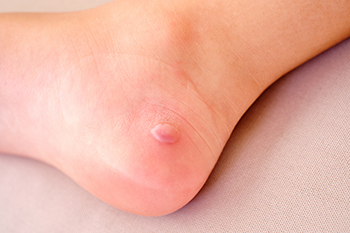
Fracture blisters are fluid-filled lesions that develop on the skin near a broken bone, usually in areas with little soft tissue such as the ankle or foot. These blisters form due to increased pressure and shearing forces during a traumatic injury. Common causes include severe fractures, particularly from high-impact incidents. Symptoms involve tense or blood-filled blisters, swelling, and pain. Risk factors include diabetes, vascular disease, and delayed medical attention. A podiatrist can assess the injury, prevent or treat an infection, and guide proper wound care and immobilization. Prompt evaluation ensures healing without complications. If you notice blistering near a foot injury, it is strongly suggested that you seek expert podiatric care immediately.
Blisters are prone to making everyday activities extremely uncomfortable. If your feet are hurting, contact one of our podiatrists of Sutera and Jones Surgical Podiatry. Our doctors can provide the care you need to keep you pain-free and on your feet.
Foot Blisters
Foot blisters develop as a result of constantly wearing tight or ill-fitting footwear. This happens due to the constant rubbing from the shoe, which can often lead to pain.
What Are Foot Blisters?
A foot blister is a small fluid-filled pocket that forms on the upper-most layer of the skin. Blisters are filled with clear fluid and can lead to blood drainage or pus if the area becomes infected.
How Do Blisters Form?
Blisters on the feet are often the result of constant friction of skin and material, usually by shoe rubbing. Walking in sandals, boots, or shoes that don’t fit properly for long periods of time can result in a blister. Having consistent foot moisture and humidity can easily lead to blister formation.
Prevention & Treatment
It is important to properly care for the affected area in order to prevent infection and ease the pain. Do not lance the blister and use a Band-Aid to provide pain relief. Also, be sure to keep your feet dry and wear proper fitting shoes. If you see blood or pus in a blister, seek assistance from a podiatrist.
If you have any questions, please feel free to contact one of our offices located in Media, Glen Mills, Riddle Memorial Hospital, and Concordville, PA . We offer the newest diagnostic and treatment technologies for all your foot care needs.
Connect With Us
