Connect With Us


Plantar fasciitis develops when the thick band of tissue along the bottom of the foot becomes irritated. This irritation is often caused by obesity, increased physical activity, demanding occupations, pregnancy, or natural foot structure, such as flat feet or high arches. Symptoms include sharp heel pain, stiffness, and discomfort that is most noticeable during the first steps in the morning. A podiatrist can provide expert evaluation, create custom treatment plans, and offer options such as supportive devices, advanced therapies, and guidance on activity changes to relieve pain and prevent future flare-ups. If you are living with persistent heel pain, it is suggested that you promptly schedule an appointment with a podiatrist to regain comfort and return to the activities you enjoy.
Plantar fasciitis is a common foot condition that is often caused by a strain injury. If you are experiencing heel pain or symptoms of plantar fasciitis, contact one of our podiatrists from Sutera and Jones Surgical Podiatry. Our doctors can provide the care you need to keep you pain-free and on your feet.
What Is Plantar Fasciitis?
Plantar fasciitis is one of the most common causes of heel pain. The plantar fascia is a ligament that connects your heel to the front of your foot. When this ligament becomes inflamed, plantar fasciitis is the result. If you have plantar fasciitis you will have a stabbing pain that usually occurs with your first steps in the morning. As the day progresses and you walk around more, this pain will start to disappear, but it will return after long periods of standing or sitting.
What Causes Plantar Fasciitis?
There are some risk factors that may make you more likely to develop plantar fasciitis compared to others. The condition most commonly affects adults between the ages of 40 and 60. It also tends to affect people who are obese because the extra pounds result in extra stress being placed on the plantar fascia.
Prevention
There are a variety of treatment options available for plantar fasciitis along with the pain that accompanies it. Additionally, physical therapy is a very important component in the treatment process. It is important that you meet with your podiatrist to determine which treatment option is best for you.
If you have any questions, please feel free to contact one of our offices located in Media, Glen Mills, Riddle Memorial Hospital, and Concordville, PA . We offer the newest diagnostic and treatment technologies for all your foot care needs.

When arthritis develops in the toes, the joints can become swollen, achy and less flexible, making everyday movement harder. The condition happens as the smooth cushioning inside the joint wears down, which allows the bones to grind together. This can create discomfort, stiffness, and sometimes visible changes in the way the toes look or bend. Many people find it painful to walk long distances, stand for extended periods of time, or wear certain shoes. Age, past injuries, and inherited traits can all increase the likelihood of arthritis in the toes. While it cannot be cured, there are effective ways to manage it. Wearing supportive footwear, custom orthotics, targeted stretching exercises, anti-inflammatory treatments, and, in some cases, surgery may ease symptoms and improve mobility. If toe pain is limiting your comfort or activity, it is recommended that you visit a podiatrist for a personalized treatment plan.
Arthritis can be a difficult condition to live with. If you are seeking treatment, contact one of our podiatrists from Sutera and Jones Surgical Podiatry. Our doctors can provide the care you need to keep you pain-free and on your feet.
Arthritic Foot Care
Arthritis is a term that is commonly used to describe joint pain. The condition itself can occur to anyone of any age, race, or gender, and there are over 100 types of it. Nevertheless, arthritis is more commonly found in women compared to men, and it is also more prevalent in those who are overweight. The causes of arthritis vary depending on which type of arthritis you have. Osteoarthritis for example, is often caused by injury, while rheumatoid arthritis is caused by a misdirected immune system.
Symptoms
Arthritic symptoms range in severity, and they may come and go. Some symptoms stay the same for several years but could potentially get worse with time. Severe cases of arthritis can prevent its sufferers from performing daily activities and make walking difficult.
Risk Factors
If you suspect your arthritis is affecting your feet, it is crucial that you see a podiatrist immediately. Your doctor will be able to address your specific case and help you decide which treatment method is best for you.
If you have any questions please feel free to contact one of our offices located in Media, Glen Mills, Riddle Memorial Hospital, and Concordville, PA . We offer the newest diagnostic tools and technology to treat your foot and ankle needs.

Falling in the workplace can result in serious foot injuries that can lead to long-term pain and mobility issues. When a person falls, the feet are often the first point of contact, which can cause sprains, fractures, or even damage to the soft tissues. The impact from a fall may also lead to bruising or swelling, making it difficult to walk or stand. To prevent such injuries, it is important to maintain a clean and clutter-free work environment, ensuring that floors are free from hazards, such as wet spots, cords, or obstacles. Proper footwear with adequate support and slip-resistant soles helps to reduce the risk of falls. Sustaining a foot or ankle injury from falling during the workday may result in a loss of wages due to time off. If this has happened to you, it is suggested that you consult a podiatrist who can treat this type of condition and offer effective fall prevention techniques.
Preventing falls among the elderly is very important. If you are older and have fallen or fear that you are prone to falling, consult with one of our podiatrists from Sutera and Jones Surgical Podiatry. Our doctors will assess your condition and provide you with quality advice and care.
Every 11 seconds, an elderly American is being treated in an emergency room for a fall related injury. Falls are the leading cause of head and hip injuries for those 65 and older. Due to decreases in strength, balance, senses, and lack of awareness, elderly persons are very susceptible to falling. Thankfully, there are a number of things older persons can do to prevent falls.
How to Prevent Falls
Some effective methods that older persons can do to prevent falls include:
Falling can be a traumatic and embarrassing experience for elderly persons; this can make them less willing to leave the house, and less willing to talk to someone about their fears of falling. Doing such things, however, will increase the likelihood of tripping or losing one’s balance. Knowing the causes of falling and how to prevent them is the best way to mitigate the risk of serious injury.
If you have any questions, please feel free to contact one of our offices located in Media, Glen Mills, Riddle Memorial Hospital, and Concordville, PA . We offer the newest diagnostic and treatment technologies for all your foot care needs.

Do you suffer from heel pain when you get up in the morning? If so, you should seek professional help and have a proper diagnosis performed. Heel pain can be caused by several different foot-related conditions.
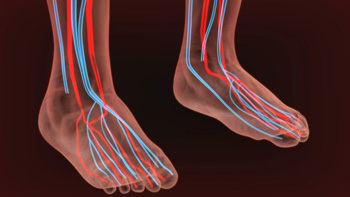 The condition that is known as peripheral artery disease (PAD) can be a result of restricted blood flow to the arteries. This can occur due to a cholesterol disease, or if scar tissue has developed. PAD can cause the feet to have tingling or numbing sensations, and it may make it difficult to feel existing cuts or bruises on the feet. Research has indicated that it is beneficial to perform gentle foot and leg stretches, as this may help to improve circulation. Additionally, it can help to maintain healthy eating habits which often include drinking plenty of water. If your feet feel numb, you may have PAD, and it is strongly suggested that you seek the care of a podiatrist who can properly diagnose and treat this condition.
Peripheral artery disease can pose a serious risk to your health. It can increase the risk of stroke and heart attack. If you have symptoms of peripheral artery disease, consult with one of our podiatrists from Sutera and Jones Surgical Podiatry. Our doctors will assess your condition and provide you with quality foot and ankle treatment.
Peripheral artery disease (PAD) is when arteries are constricted due to plaque (fatty deposits) build-up. This results in less blood flow to the legs and other extremities. The main cause of PAD is atherosclerosis, in which plaque builds up in the arteries.
Symptoms
Symptoms of PAD include:
It is important to note that a majority of individuals never show any symptoms of PAD.
Diagnosis
While PAD occurs in the legs and arteries, Podiatrists can diagnose PAD. Podiatrists utilize a test called an ankle-brachial index (ABI). An ABI test compares blood pressure in your arm to you ankle to see if any abnormality occurs. Ultrasound and imaging devices may also be used.
Treatment
Fortunately, lifestyle changes such as maintaining a healthy diet, exercising, managing cholesterol and blood sugar levels, and quitting smoking, can all treat PAD. Medications that prevent clots from occurring can be prescribed. Finally, in some cases, surgery may be recommended.
If you have any questions, please feel free to contact one of our offices located in Media, Glen Mills, Riddle Memorial Hospital, and Concordville, PA . We offer the newest diagnostic and treatment technologies for all your foot care needs.
Connect With Us
