Connect With Us


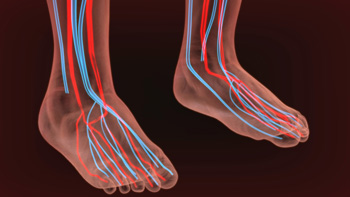
Poor foot circulation occurs when blood flow to the feet is reduced, often due to conditions like peripheral artery disease, diabetes, or blood clots. Causes include smoking, sedentary lifestyle, high cholesterol, and vascular disease. Risk factors involve aging, obesity, and a family history of circulatory problems. Symptoms may include cold feet, numbness, tingling, swelling, cramping, or skin color changes. Without proper care, poor circulation can lead to wounds that heal slowly or serious complications. A podiatrist can assess circulation, provide treatments to improve blood flow, and recommend lifestyle changes. If you notice persistent changes in your feet or have any of the above symptoms, it is suggested that you schedule an appointment with a podiatrist who can offer you effective relief and treatment solutions.
While poor circulation itself isn’t a condition; it is a symptom of another underlying health condition you may have. If you have any concerns with poor circulation in your feet contact one of our podiatrists of Sutera and Jones Surgical Podiatry. Our doctors will treat your foot and ankle needs.
Poor Circulation in the Feet
Peripheral artery disease (PAD) can potentially lead to poor circulation in the lower extremities. PAD is a condition that causes the blood vessels and arteries to narrow. In a linked condition called atherosclerosis, the arteries stiffen up due to a buildup of plaque in the arteries and blood vessels. These two conditions can cause a decrease in the amount of blood that flows to your extremities, therefore resulting in pain.
Symptoms
Some of the most common symptoms of poor circulation are:
Treatment for poor circulation often depends on the underlying condition that causes it. Methods for treatment may include insulin for diabetes, special exercise programs, surgery for varicose veins, or compression socks for swollen legs.
As always, see a podiatrist as he or she will assist in finding a regimen that suits you. A podiatrist can also prescribe you any needed medication.
If you have any questions, please feel free to contact one of our offices located in Media, Glen Mills, Riddle Memorial Hospital, and Concordville, PA . We offer the newest diagnostic and treatment technologies for all your foot care needs.
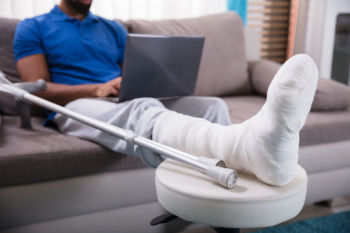
Fractures that extend into the joints of the foot require careful and timely treatment to protect long-term mobility. These injuries can damage cartilage, disrupt joint alignment, and lead to persistent pain, if not managed appropriately. A podiatrist will assess the location and severity of the fracture, often using imaging to determine the best approach. Treatment may involve immobilization, use of supportive devices, or surgical repair to restore joint stability. Early rehabilitation is important to maintain range of motion and reduce stiffness. Without proper care, there is a higher risk of post-traumatic arthritis and chronic discomfort. Monitoring recovery closely helps ensure proper healing and reduces the chance of future complications. If you experience a foot injury with swelling, pain, or difficulty bearing weight, it is suggested you seek evaluation from a podiatrist.
A broken foot requires immediate medical attention and treatment. If you need your feet checked, contact one of our podiatrists from Sutera and Jones Surgical Podiatry. Our doctors can provide the care you need to keep you pain-free and on your feet.
Broken Foot Causes, Symptoms, and Treatment
A broken foot is caused by one of the bones in the foot typically breaking when bended, crushed, or stretched beyond its natural capabilities. Usually the location of the fracture indicates how the break occurred, whether it was through an object, fall, or any other type of injury.
Common Symptoms of Broken Feet:
Those that suspect they have a broken foot shoot seek urgent medical attention where a medical professional could diagnose the severity.
Treatment for broken bones varies depending on the cause, severity and location. Some will require the use of splints, casts or crutches while others could even involve surgery to repair the broken bones. Personal care includes the use of ice and keeping the foot stabilized and elevated.
If you have any questions, please feel free to contact one of our offices located in Media, Glen Mills, Riddle Memorial Hospital, and Concordville, PA . We offer the newest diagnostic and treatment technologies for all your foot care needs.
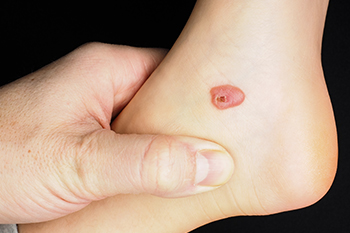
Friction blisters on the foot are fluid-filled sacs that form when repeated rubbing irritates the skin. They commonly develop in areas exposed to pressure or movement, such as the heels, toes, or soles. Causes include wearing ill-fitting shoes, walking long distances, or exercising without proper foot protection. Risk factors include moisture, heat, poorly cushioned footwear, and sensitive skin. Although often minor, untreated blisters can become painful or infected. A podiatrist can assess the blister, provide safe and sterile treatment to reduce discomfort, and recommend footwear or orthotics to prevent recurrence. If you experience frequent foot blisters or notice signs of infection, it is suggested that you visit a podiatrist for expert care and practical solutions to keep your feet healthy and protected.
Blisters may appear as a single bubble or in a cluster. They can cause a lot of pain and may be filled with pus, blood, or watery serum. If your feet are hurting, contact one of our podiatrists of Sutera and Jones Surgical Podiatry. Our doctors can provide the care you need to keep you pain-free and on your feet.
Foot Blisters
Foot blisters are often the result of friction. This happens due to the constant rubbing from shoes, which can lead to pain.
What Are Foot Blisters?
A foot blister is a small fluid-filled pocket that forms on the upper-most layer of the skin. Blisters are filled with clear fluid and can lead to blood drainage or pus if the area becomes infected.
Symptoms
(Blister symptoms may vary depending on what is causing them)
Prevention & Treatment
In order to prevent blisters, you should be sure to wear comfortable shoes with socks that cushion your feet and absorb sweat. Breaking a blister open may increase your chances of developing an infection. However, if your blister breaks, you should wash the area with soap and water immediately and then apply a bandage to the affected area. If your blisters cause severe pain it is important that you call your podiatrist right away.
If you have any questions, please feel free to contact one of our offices located in Media, Glen Mills, Riddle Memorial Hospital, and Concordville, PA . We offer the newest diagnostic and treatment technologies for all your foot care needs.

If you are suffering from tenderness, pain, or stiffness in the joints of your feet or ankles, call us to schedule an appointment.
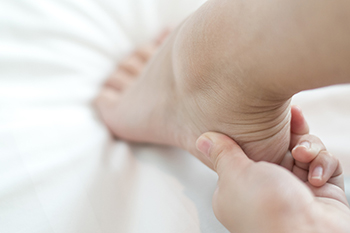
Sever’s disease is a common cause of heel pain in active children, especially those aged 8 to 14. It occurs when the growth plate in the heel becomes inflamed due to repetitive stress from activities like running or jumping. Symptoms include heel pain that worsens with activity, limping, and tenderness at the back or bottom of the heel. The heel may appear swollen or sensitive to touch, and children might avoid putting full weight on the foot. Treatment focuses on reducing inflammation and relieving pressure on the heel. A podiatrist can recommend stretching exercises and supportive footwear or custom orthotics to cushion the heel. In some cases, targeted exercises may be needed to improve flexibility and strength. Early care helps children stay active and prevents long-term problems. If your child is dealing with this issue, it is suggested that you make an appointment with a podiatrist.
Sever's disease often occurs in children and teens. If your child is experiencing foot or ankle pain, see one of our podiatrists from Sutera and Jones Surgical Podiatry. Our doctors can treat your child’s foot and ankle needs.
Sever’s Disease
Sever’s disease is also known as calcaneal apophysitis, which is a medical condition that causes heel pain I none or both feet. The disease is known to affect children between the ages of 8 and 14.
Sever’s disease occurs when part of the child’s heel known as the growth plate (calcaneal epiphysis) is attached to the Achilles tendon. This area can suffer injury when the muscles and tendons of the growing foot do not keep pace with bone growth. Therefore, the constant pain which one experiences at the back of the heel will make the child unable to put any weight on the heel. The child is then forced to walk on their toes.
Symptoms
Acute pain – Pain associated with Sever’s disease is usually felt in the heel when the child engages in physical activity such as walking, jumping and or running.
Highly active – Children who are very active are among the most susceptible in experiencing Sever’s disease, because of the stress and tension placed on their feet.
If you have any questions, please feel free to contact one of our offices located in Media, Glen Mills, Riddle Memorial Hospital, and Concordville, PA . We offer the newest diagnostic and treatment technologies for all your foot care needs.
Connect With Us
